
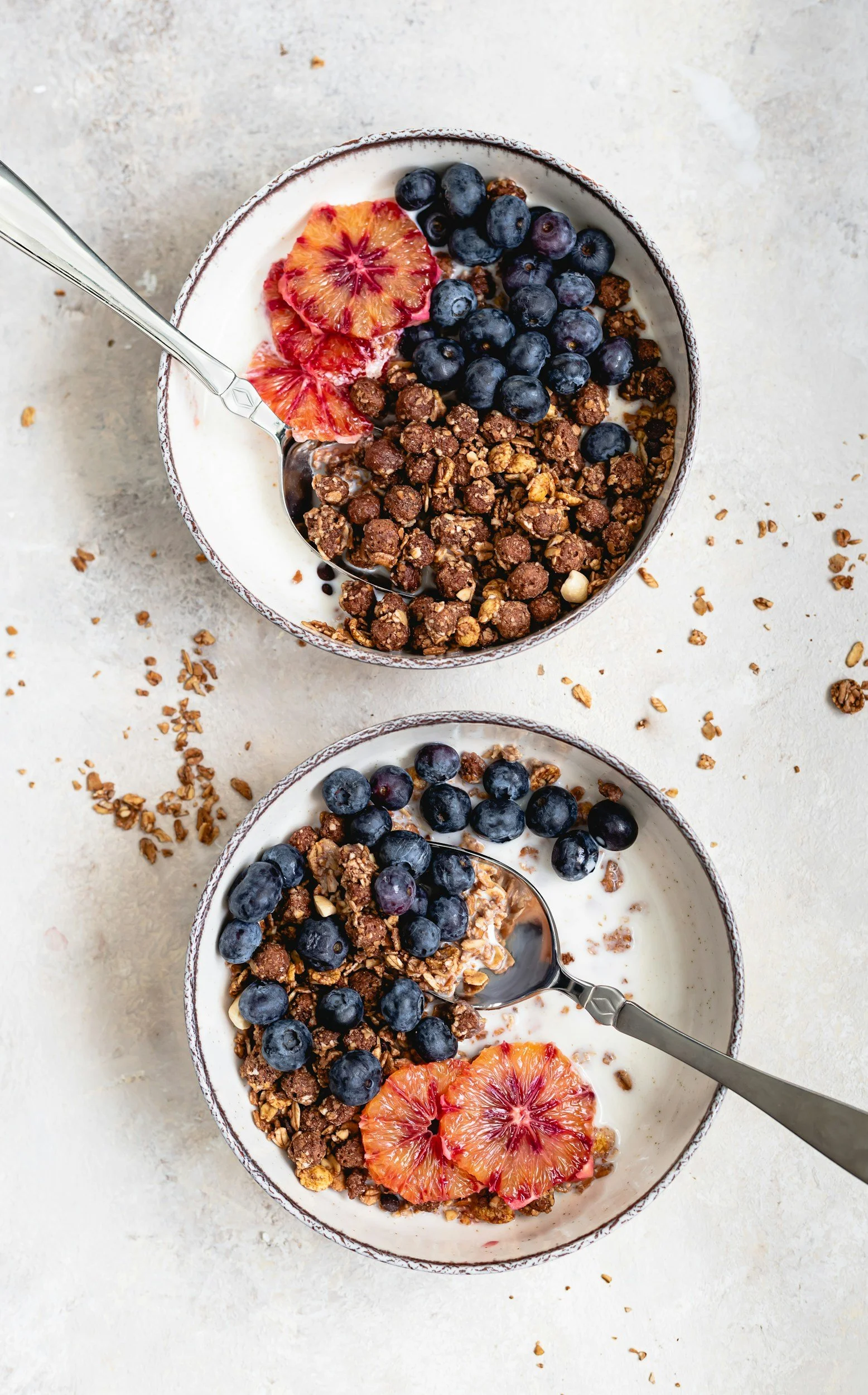
How to Build a Breakfast Bowl
Breakfast bowls are a flexible, nourishing way to start the day—mix grains, protein, fruits, and flavorful toppings to create a meal that works for you.
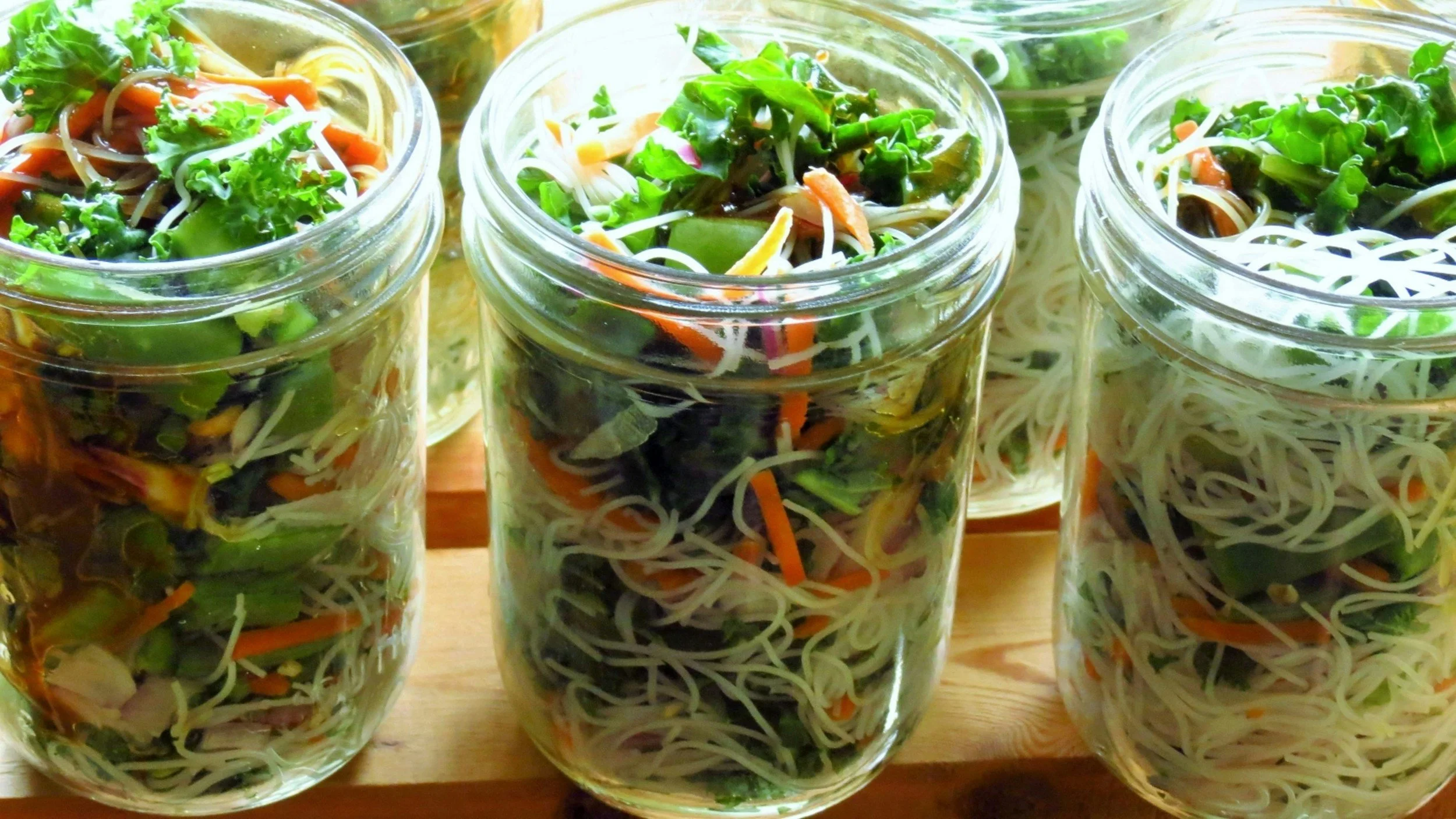
The Mason Jar Salad Formula
Mason jar salads are a smart, make-ahead way to enjoy fresh, balanced meals on the go. Learn the simple layering formula that keeps salads crisp, flavorful, and ready whenever you are.
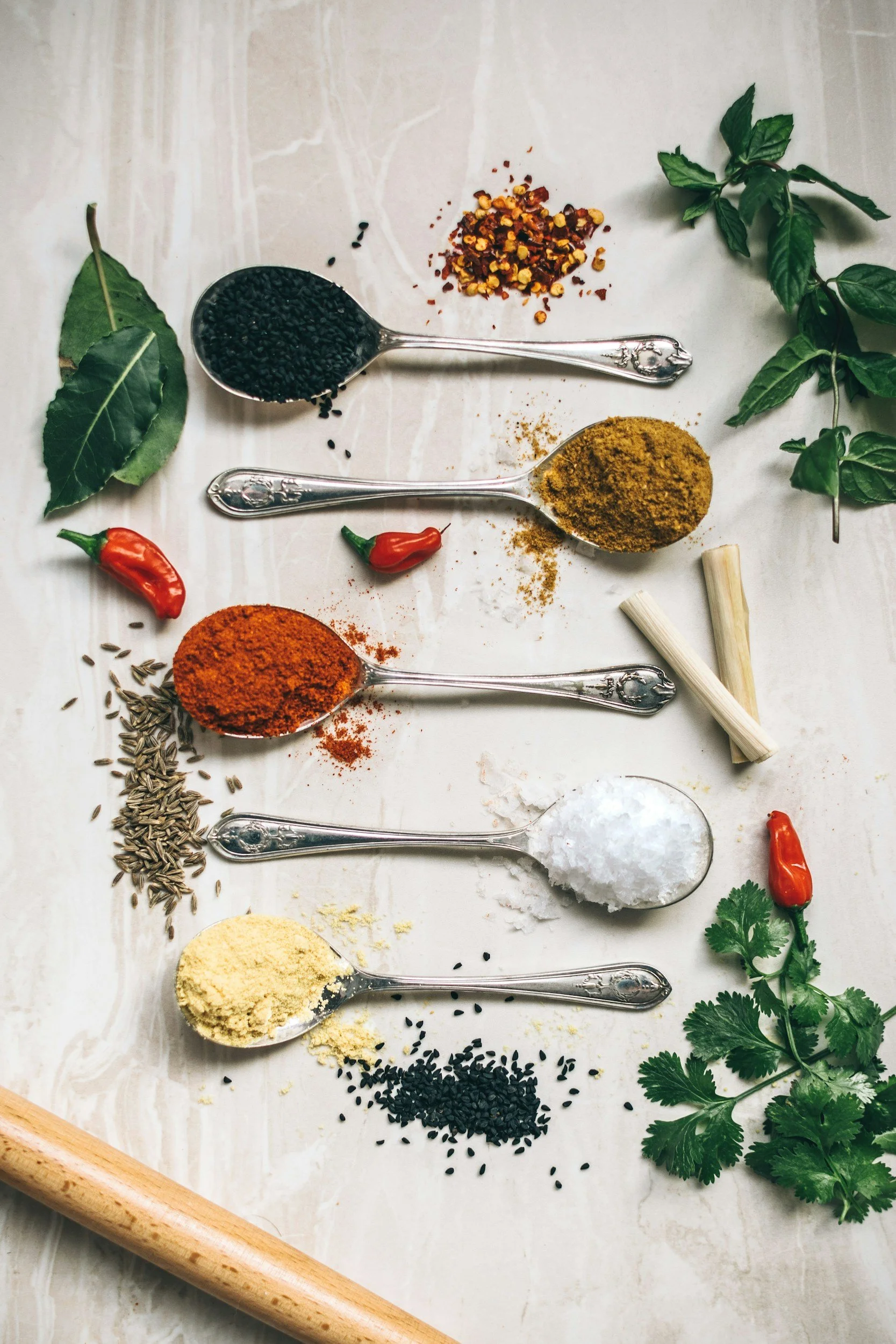
Herb & Spice Conversions
In general, dried herbs are more concentrated than fresh, so smaller amounts go a long way. This handout shows simple conversions for popular herbs and spices, along with tips on when fresh works best and when dried is the better choice. A quick rub between your palms can also help dried herbs release more flavor.
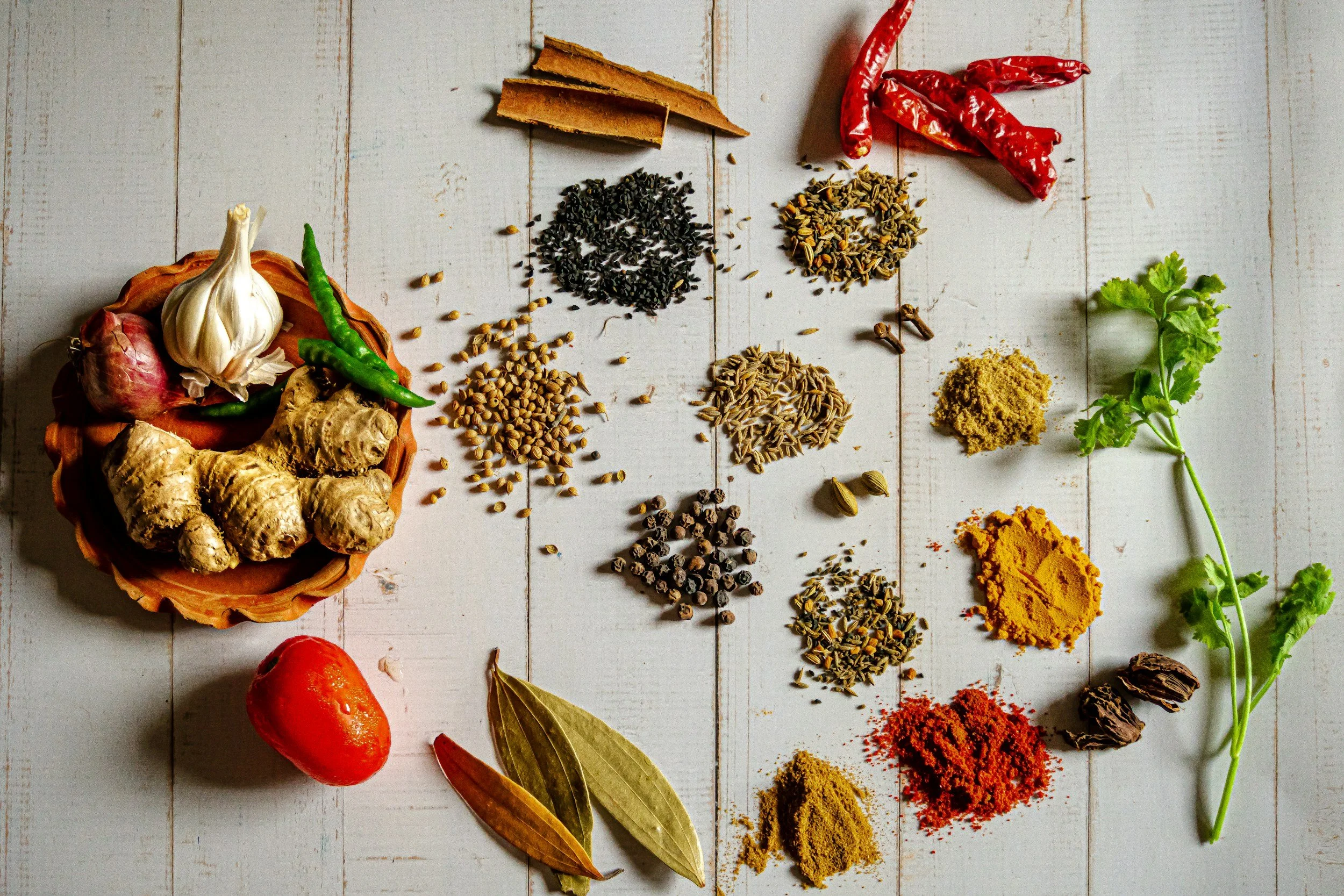
How to Use Spices
Grinding, marinating, rubbing, blending, and making pastes are all ways to unlock the full potential of spices. Techniques like toasting and blooming enhance aroma and complexity, while baking with spices brings warmth to both sweet and savory recipes. Understanding these methods helps you build layers of flavor and make the most of the spices you already have.

Window of Tolerance
The Window of Tolerance includes three zones: optimal arousal (calm and balanced), hyperarousal (anxious and overwhelmed), and hypoarousal (numb or shut down). When you’re within your window, it’s easier to stay present, cope with stress, and make mindful eating decisions. When you’re outside of it, emotional regulation becomes harder—and habits like eating may shift. Understanding and widening your window can help support consistency, self-awareness, and health-focused routines.
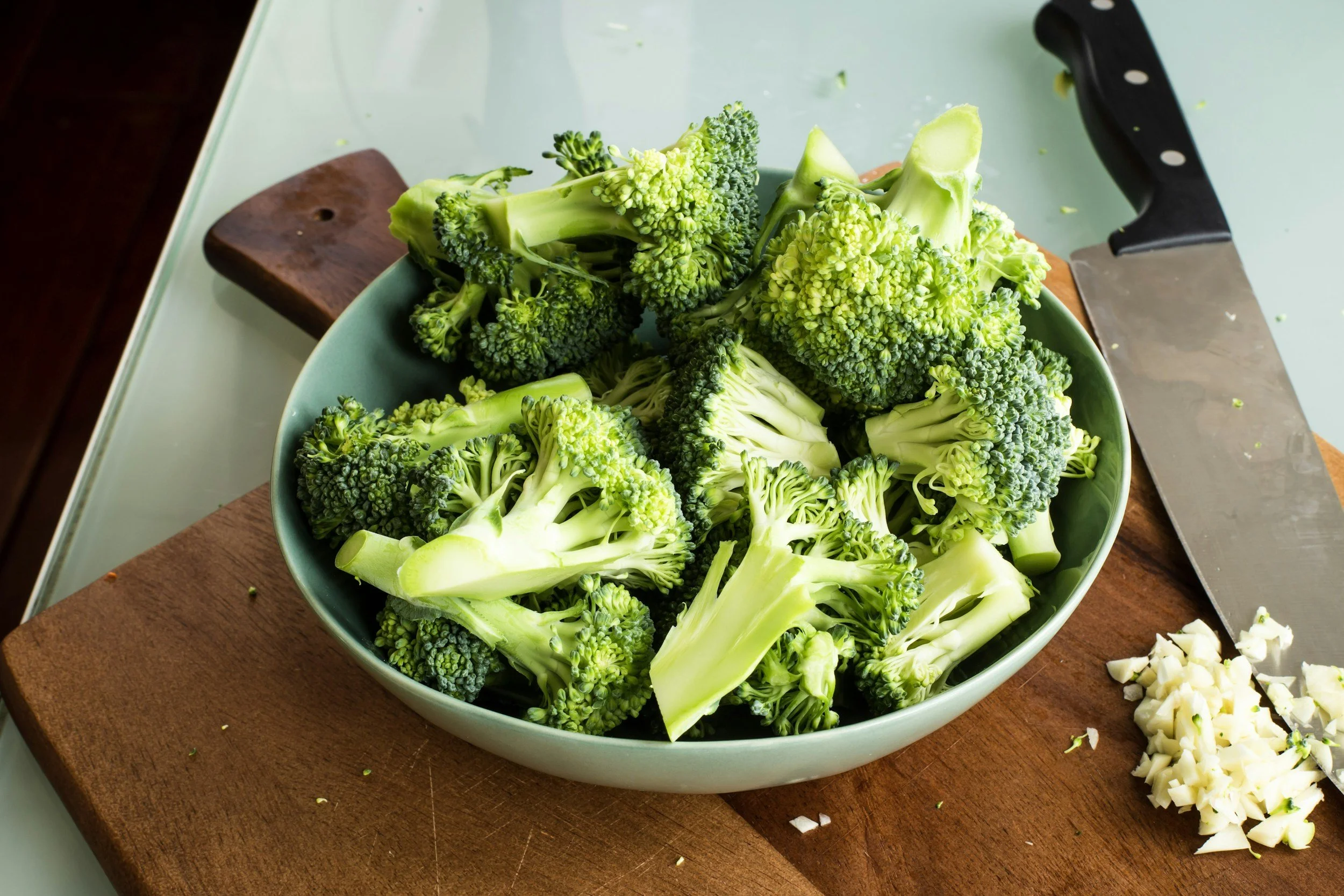
Broccoli 5 Ways
Rich in fiber, vitamin C, vitamin K, and folate, broccoli shines in a variety of cooking methods. Whether you roast it for crispy edges, sauté it for a quick stir-fry, enjoy it raw for extra crunch, or add it to soups and bakes, these easy ideas make broccoli both flavorful and approachable for everyday meals.
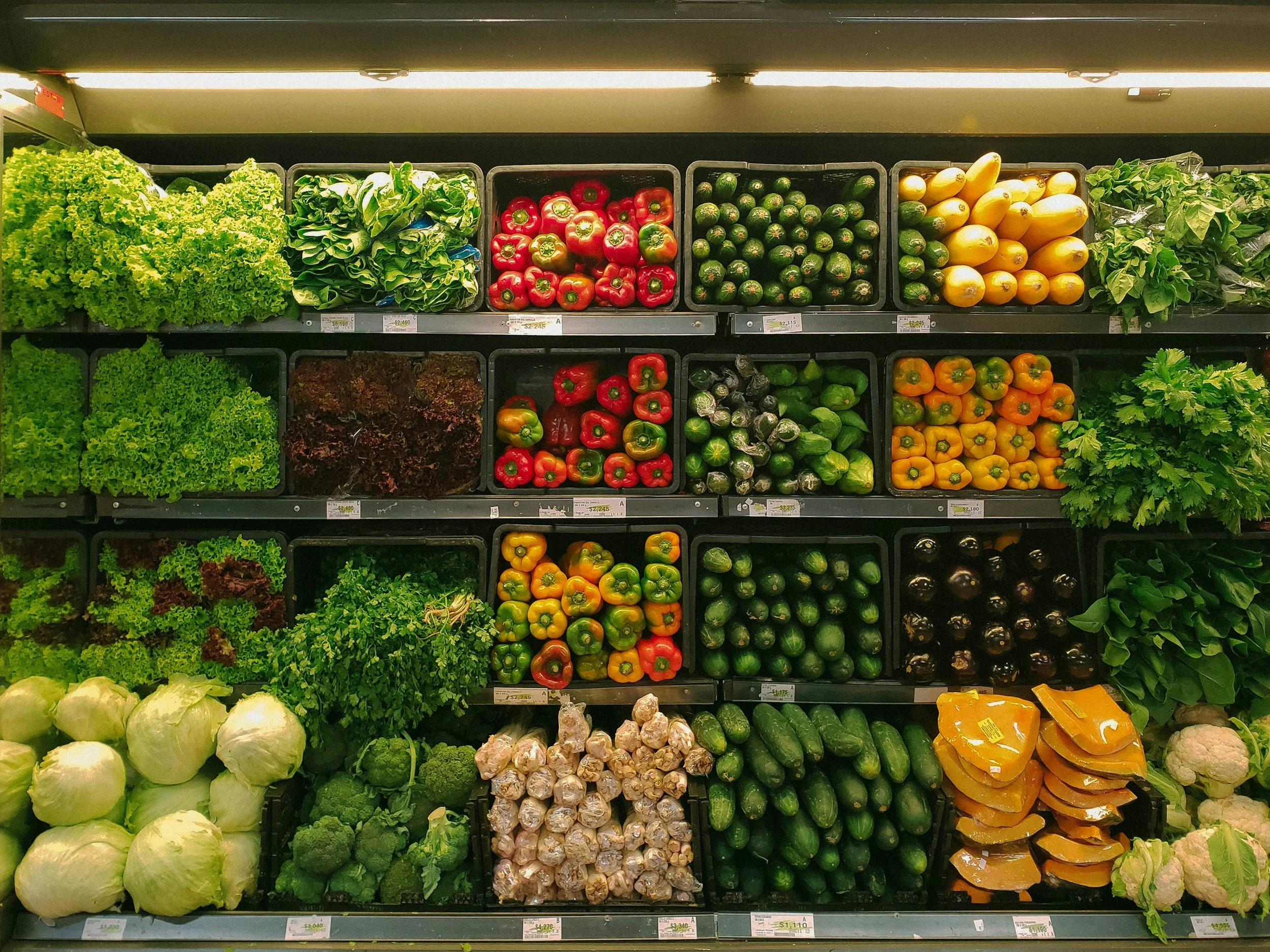
Foods High in Sulfur
Sulfur supports healthy skin, hair, joints, and detox pathways, and it’s naturally found in many everyday foods like eggs, meats, dairy, legumes, and vegetables such as broccoli and garlic. For those with digestive sensitivities or specific gut conditions, understanding which foods are higher in sulfur can help reduce symptoms while still maintaining a balanced diet.
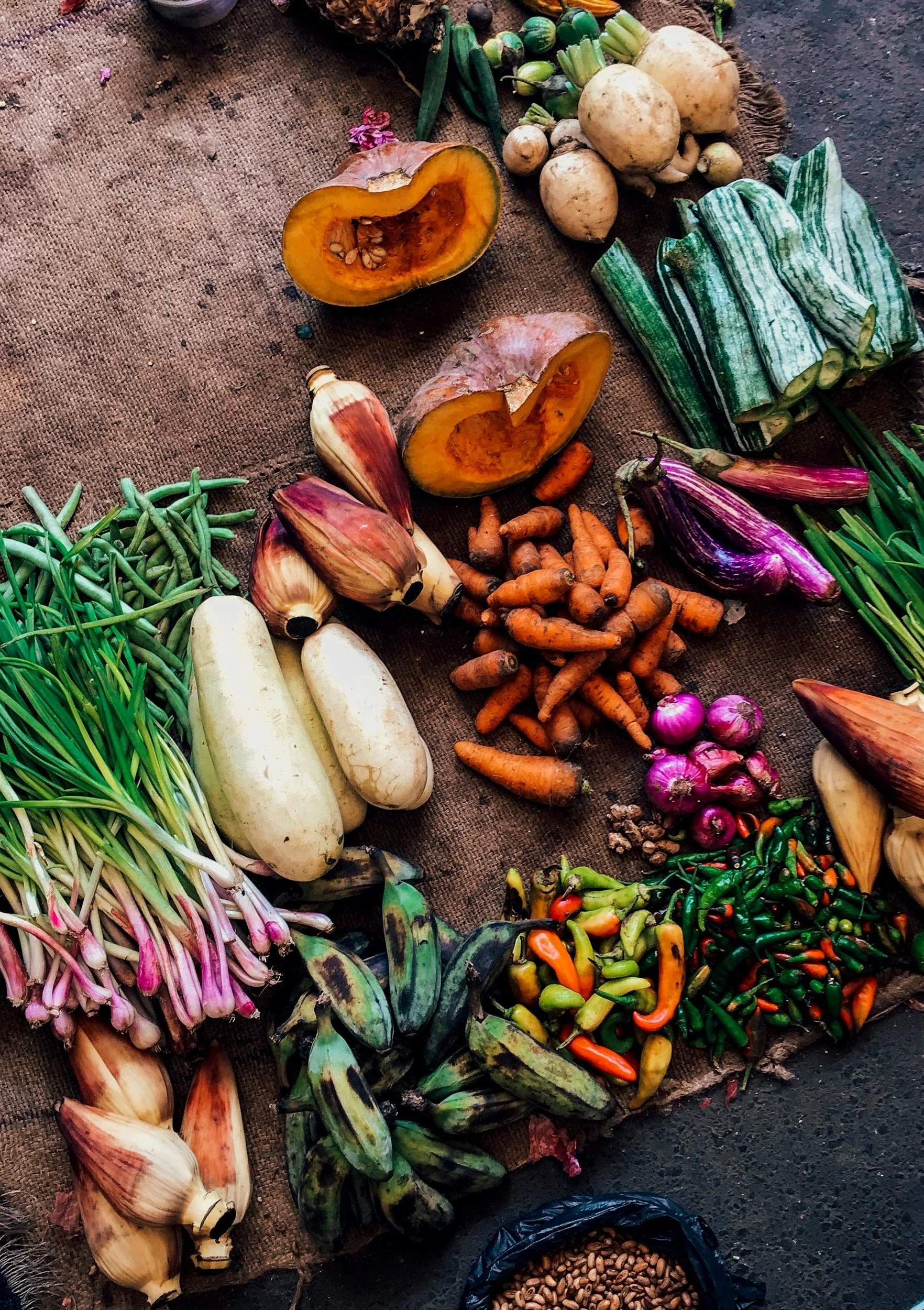
Cooking with Food Scraps
Food scraps — like peels, stems, and cores — are often full of nutrients and flavor. Learning to use them can help reduce food waste, save money, and make your dishes even more interesting. Try using vegetable peels for homemade broth, citrus zest to brighten recipes, or broccoli stems in a colorful slaw. With a little creativity, the parts we usually throw away can become the highlight of your holiday table.
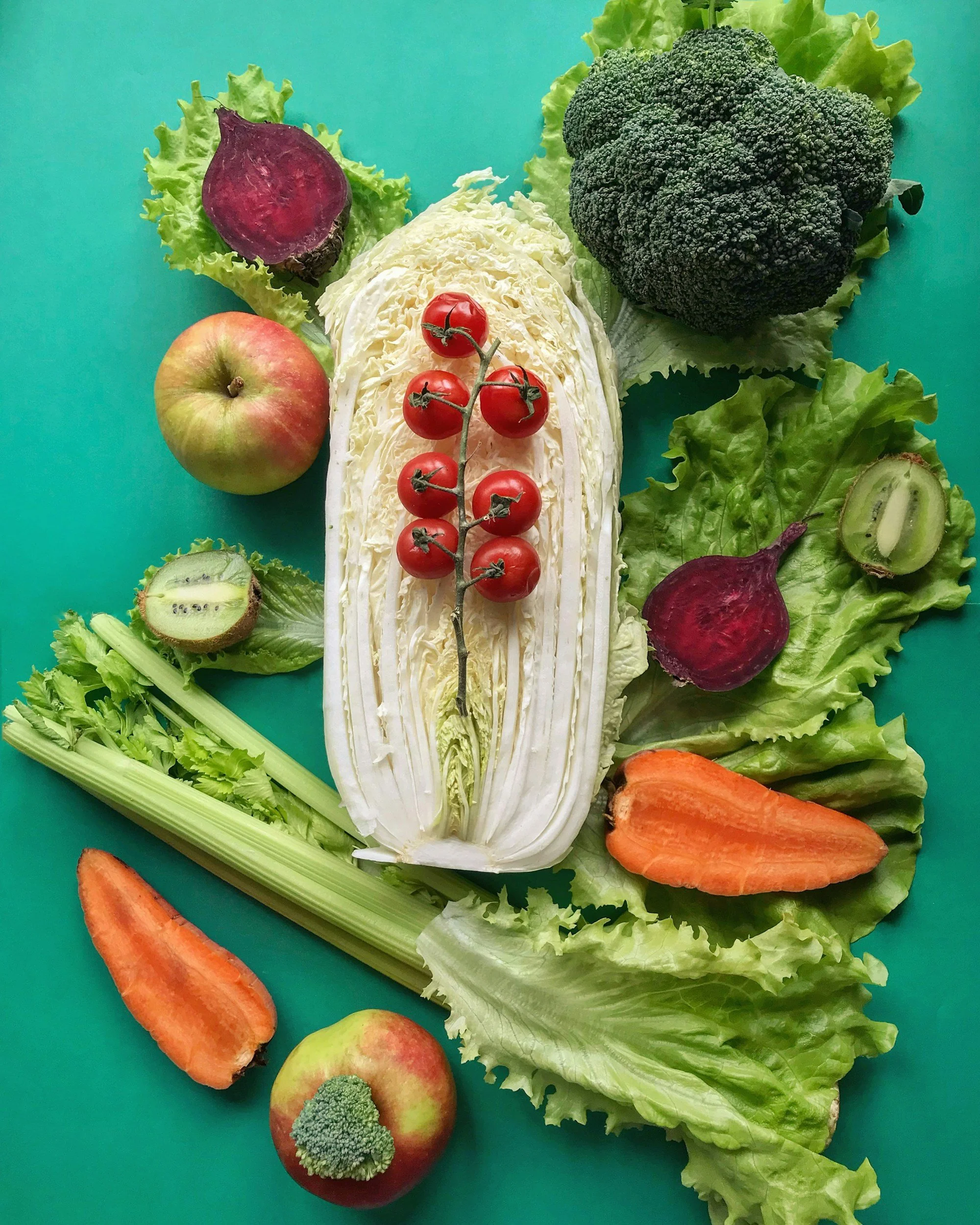
Reducing Food Waste
Did you know that nearly one-third of all food produced globally goes to waste? Food waste has serious environmental, economic, and social impacts — from contributing to greenhouse gas emissions to wasting valuable resources like water and energy. This guide offers simple strategies to help reduce waste at home, including proper storage, the “First In, First Out” method, and creative ways to use leftovers.
Sustainable Habits for Long-Term Use While on GLP-1 Medications
The difference between mindful and mindless eating often comes down to awareness. Mindful eating invites you to listen to your body—honoring hunger and fullness, savoring flavors, and choosing foods that make you feel good. Mindless eating, on the other hand, happens when we eat out of habit, distraction, or emotion. By practicing mindfulness at mealtime, you can cultivate a healthier, more peaceful relationship with food.

Mindful vs Mindless Eating
The difference between mindful and mindless eating often comes down to awareness. Mindful eating invites you to listen to your body—honoring hunger and fullness, savoring flavors, and choosing foods that make you feel good. Mindless eating, on the other hand, happens when we eat out of habit, distraction, or emotion. By practicing mindfulness at mealtime, you can cultivate a healthier, more peaceful relationship with food.

Health-Supportive Plate
A health-supportive plate includes a colorful mix of vegetables, fresh fruits, whole grains, quality proteins, and healthy fats. Think leafy greens, vibrant produce, lean proteins, and wholesome grains—all complemented by plenty of water and mindful portion balance. Together, these foods help promote energy, digestion, and overall well-being.

Guide to Whole Grains and pseudo-grains
Whole grains such as quinoa, brown rice, oats, and barley are excellent sources of fiber, B vitamins, and important minerals like magnesium and phosphorus. They also contain antioxidants and phytochemicals that help protect against heart disease, diabetes, obesity, and certain cancers. Use this guide to explore nutrient-rich options and choose wholesome grains to include in your diet.
Non-Starchy Vegetables
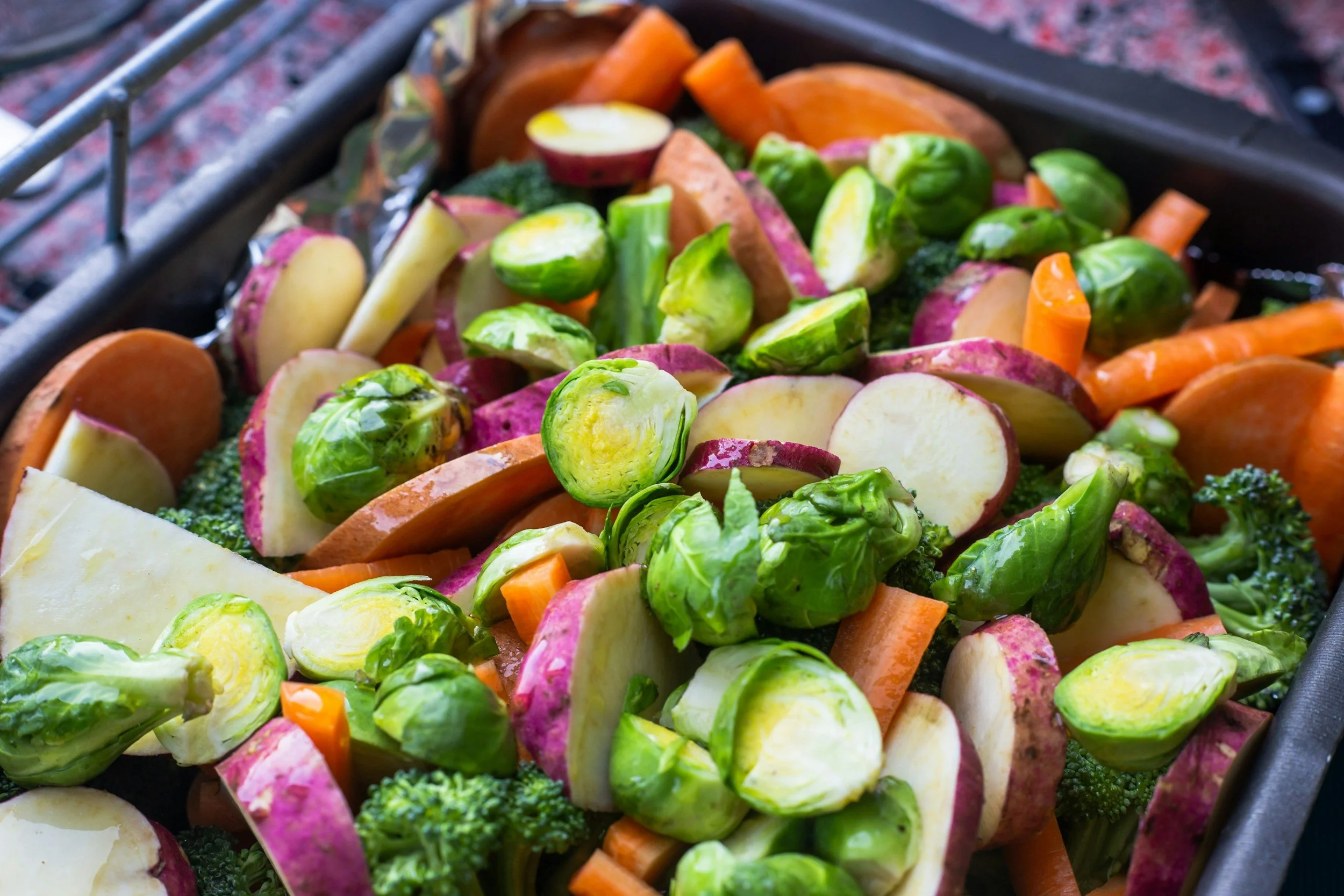
From broccoli and bok choy to spinach and squash, non-starchy vegetables offer endless variety for healthy eating. One serving equals 1 cup raw or ½ cup cooked, making it easy to enjoy them at every meal. Mix and match your favorites to add flavor, texture, and nutrients without extra starch or sugar.

How to Build a Balanced Snack
Snacking doesn’t have to derail your healthy habits. By combining the right balance of carbs, fats, and proteins, you can create nourishing snacks that keep you energized, satisfied, and ready to take on the day. Whether you love crunchy veggies, creamy dips, or fruit with a twist, here’s how to build the perfect balanced bite every time.
10 Healthy Snacks Using Store-Bought Ingredients
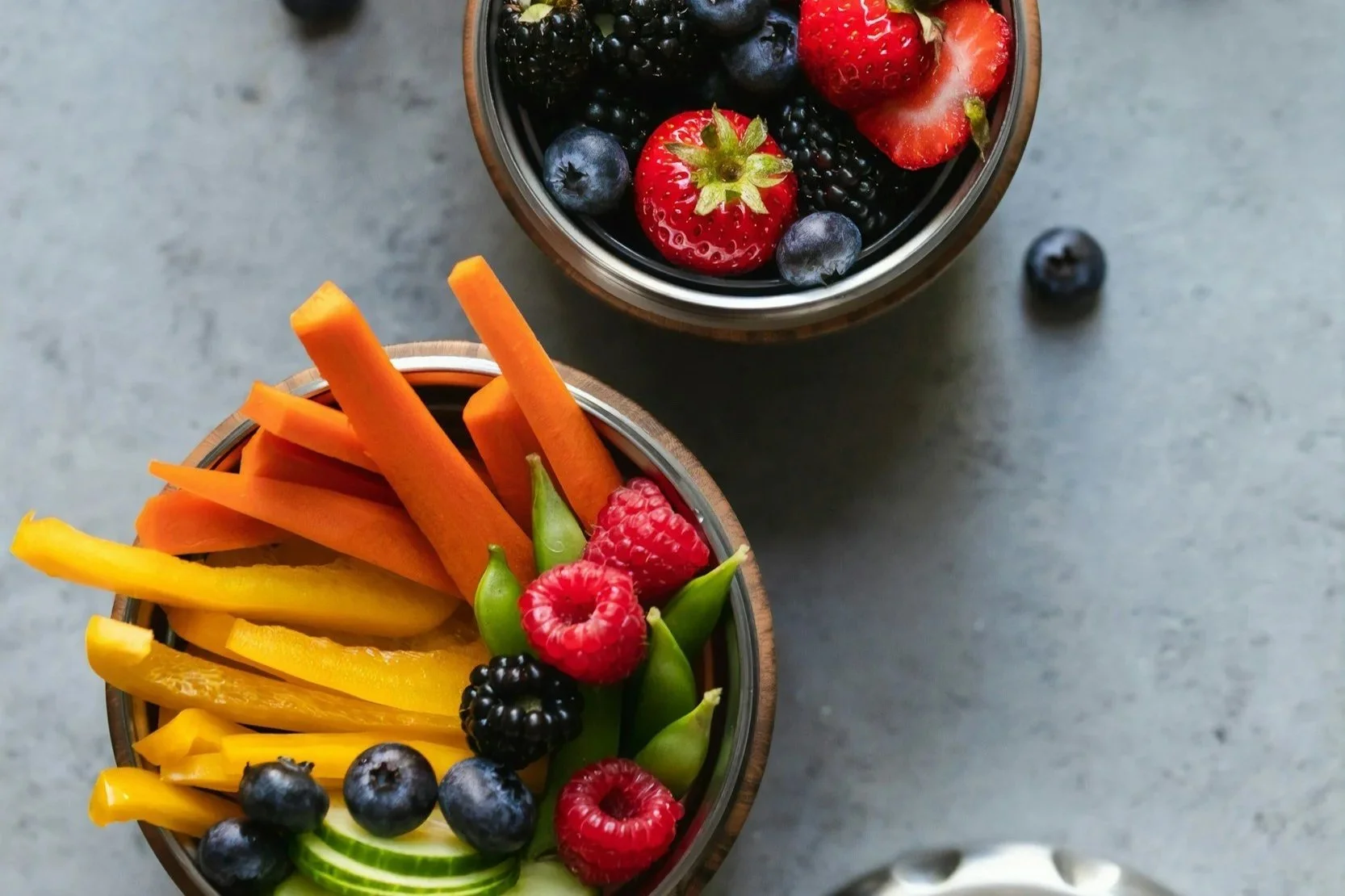
Healthy eating doesn’t have to mean spending hours in the kitchen. With a few smart grocery picks, you can build quick, satisfying snacks that nourish your body and keep your energy steady throughout the day. Here are 10 grab-and-go snack ideas made entirely from store-bought ingredients — no prep required!
Fiber-Packed Meals: Simple Ways to Hit Your Daily Fiber Goals
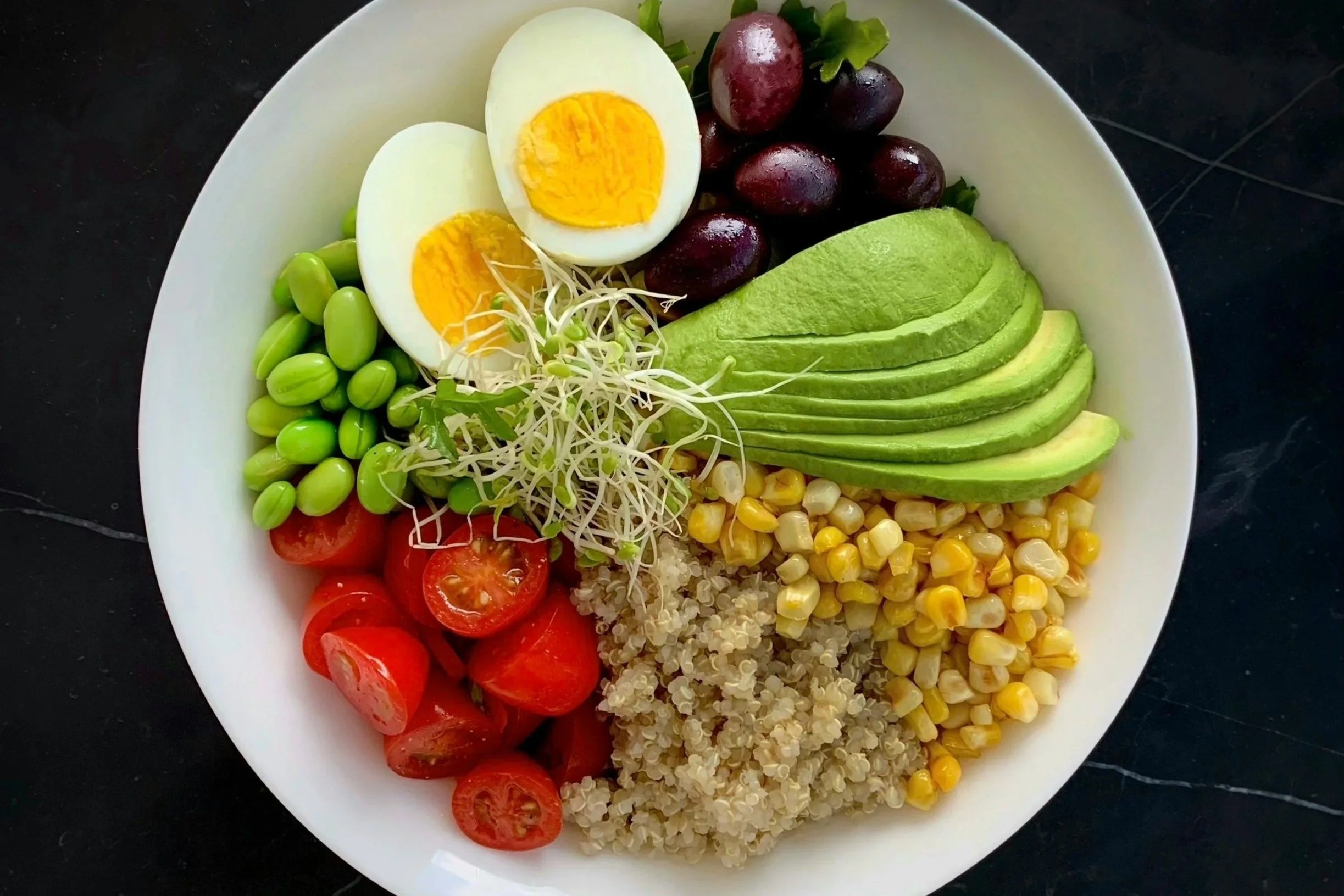
Fiber does more than keep you regular — it supports heart health, helps manage blood sugar, and keeps you feeling full and energized. Yet most people fall short of their daily fiber needs. Here’s how to boost your intake with easy, high-fiber meal and snack ideas that fit right into your day.
Budget-Friendly Meals Made Easy
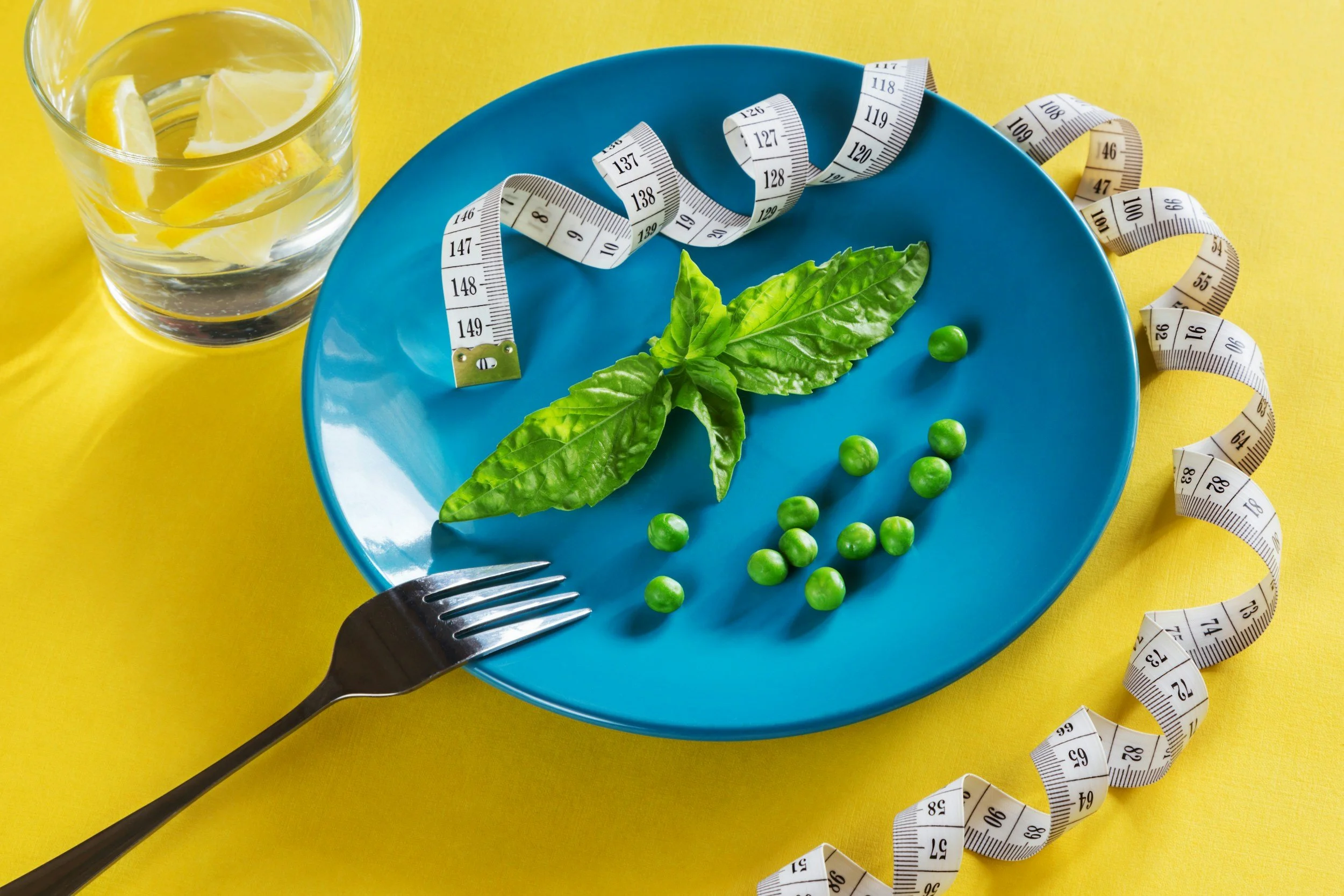
Save money and reduce stress in the kitchen with flexible meal ideas that use everyday ingredients. Learn how to build meals from pantry staples, stretch ingredients across multiple dishes, and swap in affordable proteins like beans, eggs, or tofu. From rice bowls to one-pan dinners, discover easy ways to eat well on a budget.